
Accuracy and privacy · 5 min read
Is an AI nutrition app medical advice?: how to use nutrition estimates honestly without pretending they are perfect.
The useful question is not "did I do this perfectly?" It is "what is the next decision that makes the rest of today easier?"
The short answer
The best answer is the one you can use today: lower the friction, keep the signal, and make one food decision that moves the day forward.
That answer is simple, but it is not shallow. The reason it works is that it gives your brain fewer negotiations to run. Instead of reopening the whole diet, you make one useful move and let the day continue.
Why this gets harder than it should
The old way asks for more discipline when the real problem is friction. The plan works only while life is simple, then disappears exactly when help would matter most.
The pattern is usually not a discipline problem. It is a timing problem and a friction problem. The help arrives too late, the numbers ask for too much certainty, or the app turns a normal food moment into a pass-fail event.
The better rule
Use this rule: make the next decision clear enough that you can do it while tired.
In practice, that means choosing the useful move before the moment becomes dramatic. You are not trying to solve your entire nutrition life at once. You are trying to make the next plate, snack, order, or recovery decision easier than the old default.
How to do it today
1. Lower the friction before you ask for more discipline. 2. Keep enough signal to learn from the meal without turning the meal into homework. 3. Choose the next useful action instead of trying to repair the whole week. 4. Repeat the smallest version that works.
These steps are intentionally plain. Fancy plans are easy to admire and hard to repeat. Plain plans are easier to use on a Wednesday afternoon, in a drive-through line, or after a weekend that did not go exactly to plan.
Where Avela helps
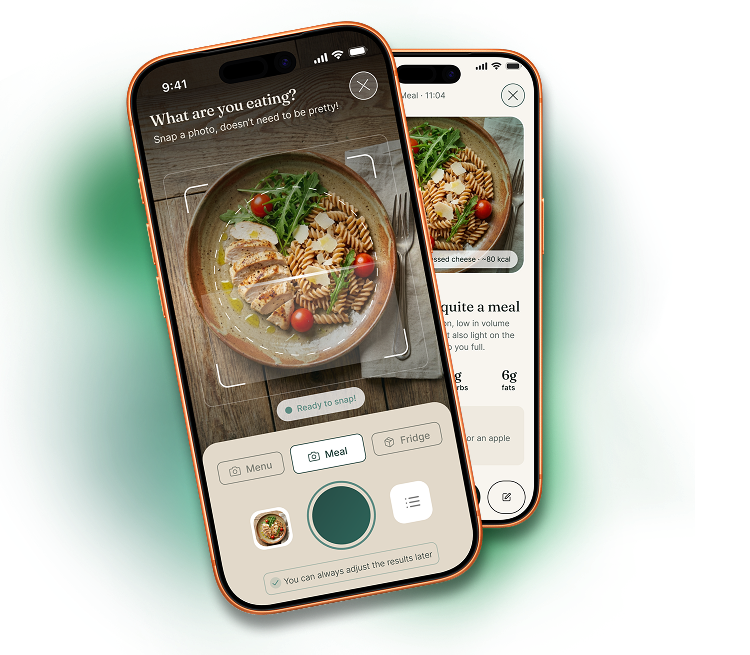
Avela is built around next-decision nutrition coaching: enough tracking to see what is happening, enough guidance to know what to do, and enough flexibility to keep going.
That is the difference between a log and a coach. A log records what happened. A coach helps you decide what to do with that information while there is still time for the next choice to matter.
The mistake to avoid
The mistake is measuring commitment by how complicated the system feels. The better system is the one you can use when the week is busy.
If a strategy only works when you are calm, rested, home, and already motivated, it is too fragile. The better strategy should survive restaurants, cravings, leftovers, low sleep, family schedules, and the days when you do not want to think about food for another second.
What to do next
Choose the smallest useful version of the advice on this page and use it at your next meal. If you are ordering out, pick protein first. If you are dealing with a craving, add a steadier snack before you negotiate. If you are recovering from a messy day, make the next meal normal.
Then let Avela help with the part that usually creates friction: the photo, the menu, the fridge, the craving, or the weekly reset. The goal is not to become perfect. The goal is to stop restarting.
The short version
-
Start with the decision that reduces friction today.
-
Protect protein and fullness before chasing perfect numbers.
-
Use estimates as guidance, not as a verdict on your character.
-
Let one imperfect meal stay one meal.
-
Use Avela when the hard part is deciding what to do next.
Read next